

Drs. Bill Cranford and Elizabeth Robinson, dentists in Rock Hill, South Carolina, studied oral cancer with world-renowned oral pathologist, Dr. Neel Bhattacharyya. Dr. Bhattacharyya is a professor at the dental school at University of Florida. He runs a lab that receives pathology specimens from all over the United States. He is an entertaining and informative speaker.
Dr. Cranford and Dr. Robinson learned how they can screen their patients for oral cancer and other diseases of the mouth. In this blog post, I’ll explore the significance of oral cancer screenings. Also, I will discuss the prevalence of oral cancer and its causes.
Oral Cancer Screening
Regular dental check-ups are essential for maintaining optimal oral health. But they are more than just cleanings and looking for cavities. One crucial aspect of these routine visits is oral cancer screenings, a preventive measure that can be a lifesaver.
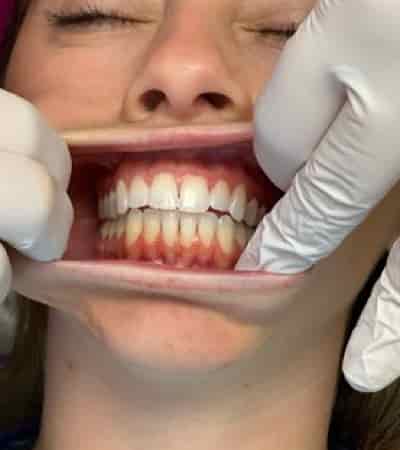
During your dental check-up, your dentist will carefully examine your mouth. She’s looking for red or white patches and sores that do not heal. Also she’ll note lumps or changes in the color or texture of the tissues.
You will notice the dentist pull out your cheeks and tongue and ask you to say “AHHH”. These are the best ways to look for unusual lesions in areas that are often associated with oral cancer: the side of the tongue, the floor of the mouth, and the soft palate.
In the early stages, oral cancers are not painful. So even if your mouth feels “OK” it is important to have a dentist complete a visual oral cancer screening.
Early detection is paramount in the successful treatment of oral cancer. When diagnosed at an early stage, the chances of successful treatment and recovery are significantly higher.
Oral cancer screenings are a quick, painless, and non-invasive part of your regular dental check-up. Early detection and intervention can potentially saving lives.

The Prevalence of Oral Cancer
Oral cancer is a serious and potentially life-threatening condition that affects various parts of the mouth, including the lips, tongue, cheeks, and throat. According to the American Cancer Society, approximately 54,000 people in the United States receive oral cancer diagnoses each year.
Other cancers of the body are much more common than oral cancer, but when oral cancer occurs it can be disfiguring and life-altering.
While oral cancer can affect anyone, certain factors may increase the risk of developing this condition. Men are more likely diagnosed with oral cancer than women, and the risk tends to increase with age.
However, a notable trend in recent years is the rising incidence of oral cancer among younger individuals, emphasizing the importance of early detection.
Causes of Oral Cancer
Understanding the causes of oral cancer is crucial for prevention and early intervention. The primary risk factors include:
- Tobacco Use: Smoking cigarettes, cigars, or pipes and using smokeless tobacco significantly elevate the risk of oral cancer. The harmful chemicals in tobacco products can damage the cells in the mouth, leading to cancerous growth.
- Alcohol Consumption: Excessive and prolonged alcohol consumption is another major risk factor for oral cancer. When combined with tobacco use, the risk is even higher.
- Human Papillomavirus (HPV) Infection: Certain strains of HPV, a sexually transmitted infection, are linked to oral cancer. HPV-related oral cancers often occur at the back of the throat and are more common in younger individuals. HPV is now the leading cause of oral cancers.
- Sun Exposure: Prolonged exposure to sunlight without proper protection can increase the risk of lip cancer. Using lip balm with sunblock and wearing hats can help mitigate this risk.
- Poor diet and sedentary lifestyle: A diet lacking in fruits and vegetables, may contribute to the development of oral and other cancers. Exercise is one of the only proven ways to help reduce your risk of cancer.
Some oral cancers develop in patients without any of the risk factors. Therefore, it is important for you to have regular oral cancer screenings, even if none of the above factors apply to you.
My Dentist Saw Something Suspicious: What Next?
Don’t assume that every unusual thing on your gums is cancer. Much more common than oral cancer are benign lumps, bumps, lesions, and diseases.
If your dentist notices something suspicious, he may recommend taking a photo of it and checking for changes in 2 weeks.
Many lesions are caused by burns, cuts, and viruses that will clear up on their own. There are other oral lesions related to autoimmune diseases. Medications help manage some of these other lesions.
Your dentist will advise whether or not you need a biopsy to diagnose the lesion. If you need a biopsy, the dentists at Cranford Dental will refer you to an oral surgeon or an ENT.
If your dentist recommends a biopsy, it is very important that you follow their advice as soon as possible.
Conclusion
When choosing a dentist, pick one who will complete oral cancer screenings at least once a year at your dental exam. Incorporating oral cancer screenings into your routine dental check-ups is a proactive step towards safeguarding your overall health.
By understanding the prevalence of oral cancer and its associated risk factors, you can make informed lifestyle choices that may reduce your risk.
Remember, prevention and early detection are key in the fight against oral cancer. And your dentist is a crucial ally in this battle for your well-being.
Take the time to prioritize your oral health. Let regular dental screenings be your first line of defense against oral cancer.
If you have any questions or concerns about oral cancer, please reach out to the knowledgeable dentists and hygienists at Cranford Dental.
Leave a Reply